

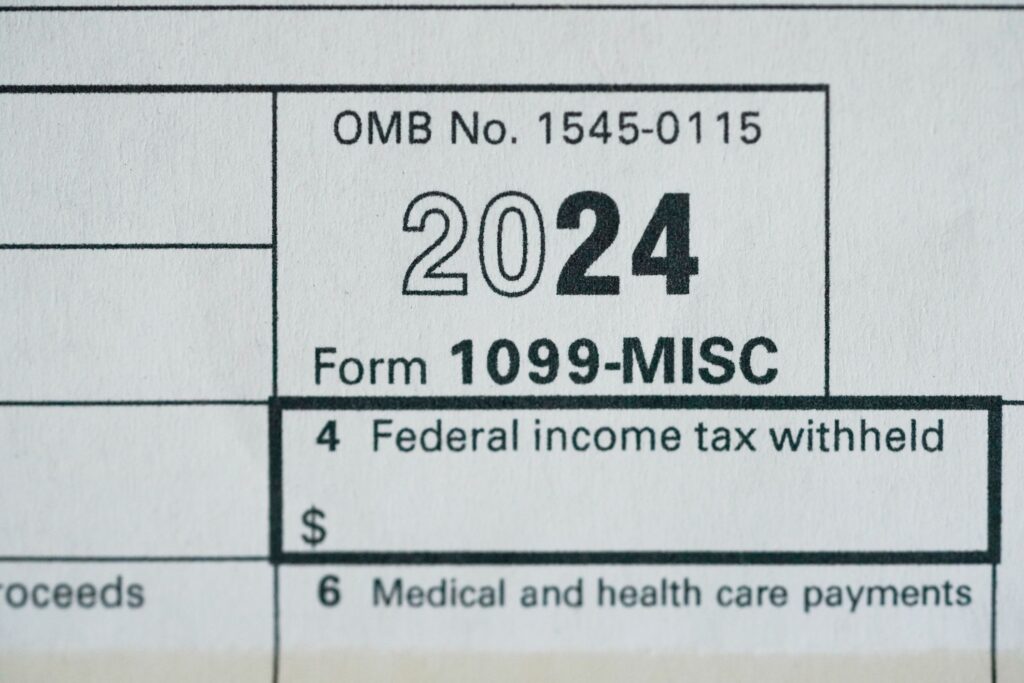
An LLC is a business structure that provides legal protection against personal liability. It separates personal assets from business debts, making it a popular choice for 1099 contract workers. By default, LLCs are taxed as pass-through entities. This means that profits are reported on the business owner’s personal tax return, which helps them avoid corporate income taxes, but they are subject to self-employment tax. This may have made sense when you were first starting out, but as your business grows and you start making a substantial income with your contract work, you’ll be paying more and more in self-employment taxes.
LLCs have options when it comes to taxes and they can elect to be taxed as an S Corporation. This can provide significant tax benefits, including reduced self-employment taxes and flexibility in income distribution.
What’s an S Corporation?
Unlike an LLC or a C Corp, an S Corp isn’t an actual business structure but a tax designation. Electing to be taxed as an S Corp can help you avoid double taxation by allowing profits and some losses to be passed through directly to owners’ personal income without being subjected to corporate tax rates. It’s ideal for small businesses and independent contractors since it can lower your tax burden, but there are strict compliance requirements and limitations on fundraising.
Benefits of Forming an LLC & Electing S Corp
Creating an LLC and electing to be taxed as an S-Corp as an independent contractor offers several tax and business advantages.
Reduced Self-Employment Taxes
By electing S Corp status, an LLC owner can significantly reduce self-employment taxes. Electing to be taxed as an S Corp allows you to split your income into salary and distributions. Only your salary will be subject to self-employment taxes. However, it’s important that you pay yourself a reasonable salary or you may be facing fines, penalties, interest or even an audit.
Pass-Through Taxation
LLCs that have elected to be taxed as S Corps still benefit from pass-through taxation. That means your profits are not taxed at the corporate level but instead passed through to your personal tax return, which allows you to avoid corporate income taxes and can simplify your tax filing process.
Qualified Business Income Deduction
As an S Corp, you may qualify for the Qualified Business Income Deduction. It’s available to sole proprietorships, partnerships, s-corps and some trusts and estates and allows for up to a 20% deduction on their net qualified business income. This can provide significant tax relief for many independent contractors.
Limited Liability
As an LLC your personal assets are separated from your business ones, meaning you are protected from being held personally liable for the repayment of your company’s debts, liabilities or lawsuits.
Should You Elect S Corp Status for Your LLC?
While S Corp status could help freelancers and independent contractors save a significant amount in taxes, it’s important to note that it does comes with certain compliance requirements and complexities such as:
- Payroll
- More complex tax filing
- Additional record keeping
- Reasonable salary requirement
- Health insurance premium reimbursement
Consult with a Tax Professional
With so many things to consider, it’s best to consult with a tax professional or financial advisor to determine what options are best for your business. As a licensed accounting firm based out of Gallup, New Mexico, Arseneault CPA Firm offers high-quality, professional accounting, bookkeeping, tax strategies, and financial management solutions. We’re here to help you build a successful, compliant and profitable business. We can answer any questions you have about the different business structure options, help you decide which one is best for your business and help you set it up. Contact us today for a free consultation.